 Sv
Sv  En
En 
Share with


Blog
Workplace Principle 2: Diversify
As the way we work continues to change, more and more organisations look to workplace strategies to build a new-and-improved work environment. Workplace strategy focuses not only on what the office will look like, but how the way of working will function.
One method that is growing in popularity is the activity-based way of working. This article will cover what this method implies and how it can be practised at the office.
A space for each activity
The basic idea of activity-based offices and ways of working is that work involves the execution of several different activities, wherein each activity is best executed in an area intended for it.
The office should accommodate all needs related to the work: a need for focus, interaction, and community.

Diversifying the workplace
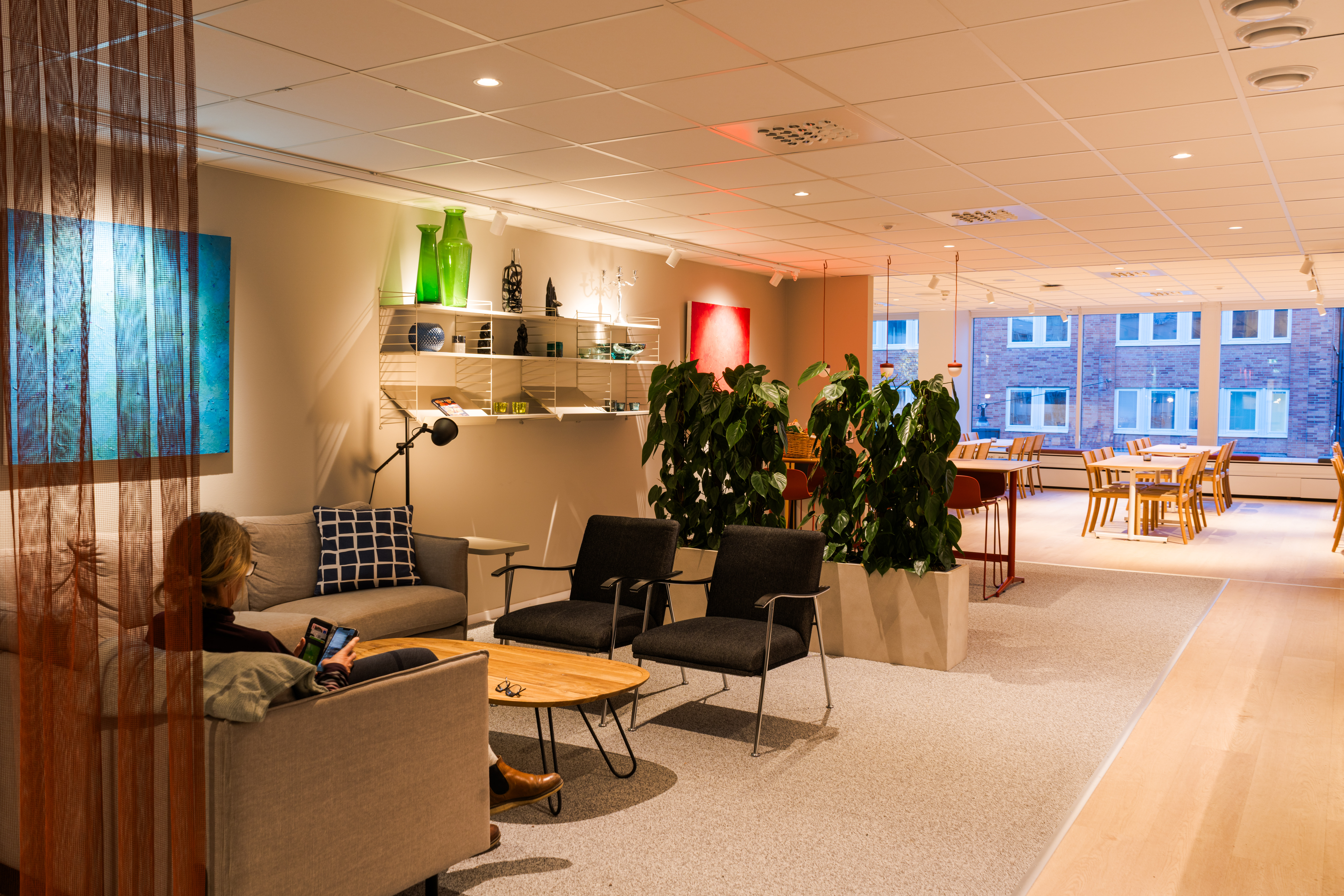
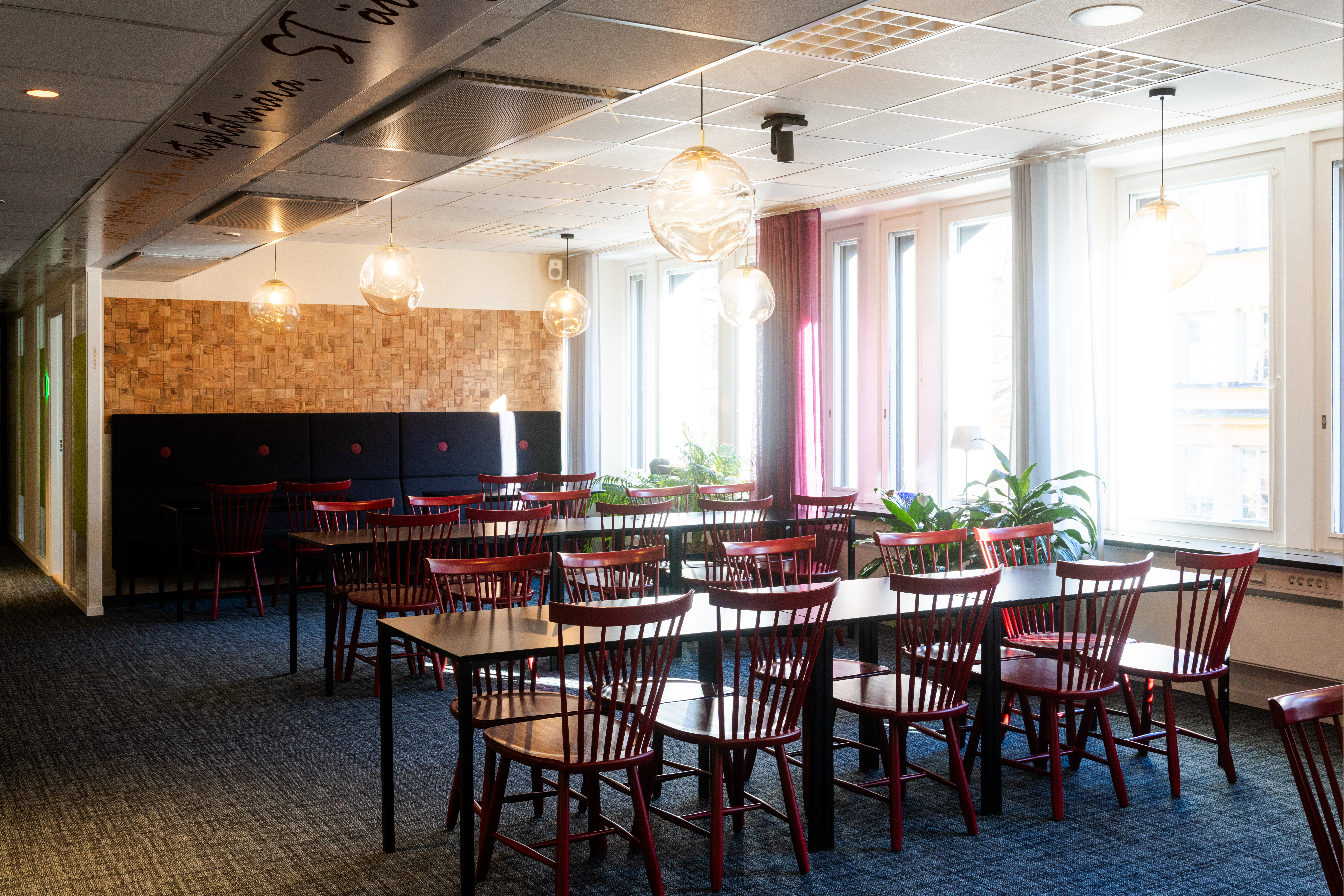
One of the key signifiers of an activity-based office is a variety of spaces to work from, which can be done through diversification. Some of these include:
- ‘Libraries’: where several people can work without being interrupted
- Informal meeting spaces: where people can meet for quick check-ins
- Individual work rooms: where one person can work without being disturbed or even take a digital meeting
- Collaboration rooms: where two or three people can work together
- Project rooms: spaces that can be used by one group
A new way of working
For employees to fully take advantage of an activity-based office, they need to learn techniques that facilitate flexibility and develop a way of working in which where they work varies depending on what they’re working on – especially when there is a need to work without interruptions or together with others.
It is for this reason that the term ‘activity-based working’ was introduced, in which the emphasis is placed on behaviour rather than physical design.
Further reading
This article is based on the five principles for the development of a workplace strategy that we at WeOffice use to create bespoke workplace strategies. You can read more about them here.
References are taken from the book Workplace Strategy for the Flexible Office by Aram Seddigh. For more information on the book and workplace strategy in general, click here.
References